


Blog · Stain Removal Guide
How to Get Paint Out of Carpet: Full Guide
Wondering how to get paint out of carpet before the spill turns permanent? The hard part is that paint is not one substance. Latex, acrylic, and oil-based paints each respond to different cleaners, and the wrong first move can set the stain or even damage the carpet itself.
Published October 29, 202610 min read
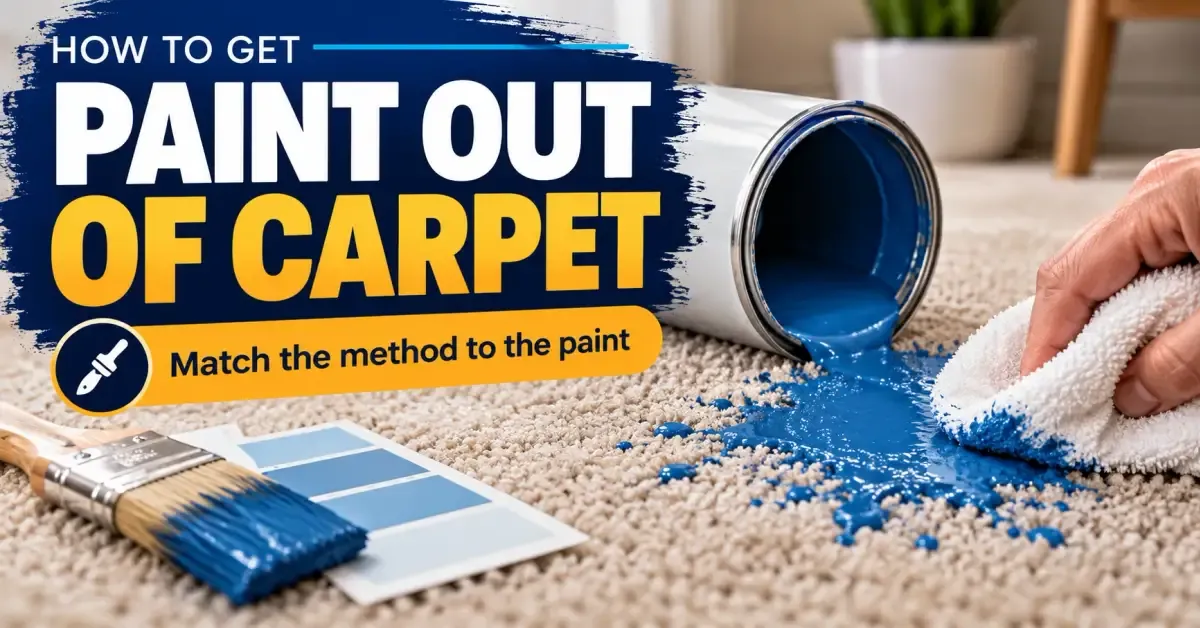
Some advice online tells you to reach for acetone, which can melt synthetic backing. Other advice says hot water, which can cook certain paints deeper into the fiber. This guide walks through the correct method for every major paint type, shows you how to identify the paint when you no longer have the can, and gives an honest answer on solvent safety that most guides skip. It also covers dried paint as a real process, not a one-line afterthought.
Scrape or blot up as much paint as you can without rubbing. Identify the paint type. Use warm water and dish soap for latex, rubbing alcohol for acrylic, and mineral spirits for oil-based paint. Blot, rinse with clean water, and dry fast with airflow.
How Do You Get Paint Out of Carpet?
Start by removing as much paint as possible, then match your cleaner to the paint type. There is no single method that works on every paint, and that is why so many DIY attempts fail.
For wet paint, scoop up big spills with a spoon or scraper, working from the outside edge toward the center so you do not widen the mess. Blot the rest with white paper towels or a clean white cloth. Never scrub. Scrubbing pushes paint deeper into the pile and spreads it sideways.
Skip colored towels here. Wet cleaning can pull dye out of a colored rag and add a second stain on top of the paint.
Once the excess is up, stop and figure out what kind of paint you are dealing with. The next section shows you how. Everything after that depends on getting this one step right.
How Do You Tell What Kind of Paint You Spilled?
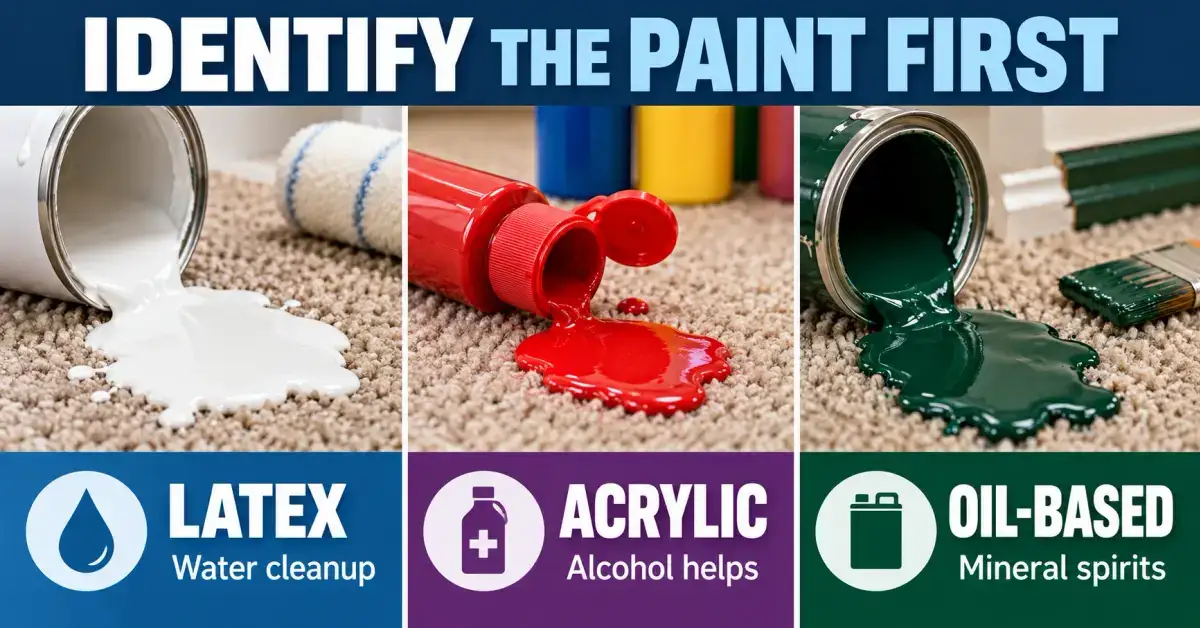
Check the can first, but if the can is gone, the paint itself will tell you. Three quick checks identify almost any household paint.
First, smell. Oil-based paint has a strong chemical solvent odor that fills the room. Latex and acrylic paints smell mild or almost sweet.
Second, check the cleanup instructions if any packaging survives. If it says wash brushes with water, the paint is water-based. If it says use mineral spirits or white spirit, it is oil-based.
Third, think about what was being painted. Wall paint in American homes is almost always latex. Trim, doors, and metal are where oil-based paints still show up. Craft projects and kids' art supplies usually mean acrylic or tempera.
A homeowner who spilled trim paint on a hallway carpet once treated it like wall paint with soap and water. Nothing lifted, because the trim paint was oil-based and needed a solvent. Ten minutes of identification saves an hour of wasted blotting.
How Do You Get Latex or Water-Based Paint Out of Carpet?
Latex paint comes out with warm water and dish soap, and it is the easiest paint type to remove. Most wall paint, emulsion, and washable kids' paint falls in this group.
Mix half a teaspoon of clear dish soap into one cup of warm water. Do not use hot water. Heat can cause some paint binders to grab the fiber harder. Dampen a white cloth with the solution and blot the stain, working from the outside in. As paint transfers to the cloth, rotate to a clean section and keep going.
When the transfer stops, blot the area with plain water to rinse out the soap. Leftover soap residue attracts dirt and creates a gray spot weeks later. Finish by pressing dry towels into the spot and pointing a fan at it.
Wet latex often comes out completely. Dried latex needs the softening process covered later in this guide.
How Do You Remove Acrylic Paint From a Rug or Carpet?
Rubbing alcohol is the answer for acrylic, because acrylic behaves differently than other water-based paints once it dries. Wet acrylic cleans up with water. Dried acrylic forms a plastic-like film that water no longer touches. That switch is what catches people off guard.
If the acrylic is still wet, blot it up and use the same dish soap method as latex. If it has started to dry, mix equal parts isopropyl alcohol and water, dampen a white cloth, and blot the stain. The alcohol softens the acrylic binder so it releases from the fiber. Work in small sections and rotate the cloth often.
Anyone searching how to remove acrylic paint from rug fibers should test the alcohol mix on a hidden corner of the rug first, since some rug dyes are sensitive to alcohol. Rinse with plain water afterward and blot dry.
Expect repeat passes. Acrylic rarely surrenders in one round, but it does surrender.
How Do You Get Oil Based Paint Out of Carpet?
Oil-based paint needs a solvent, and mineral spirits is the standard choice. Water and soap will not break it down, no matter how long you blot.
Here is how to get oil based paint out of carpet step by step. Open a window first. Dampen a white cloth lightly with mineral spirits. Dab the paint only, not the surrounding carpet, since solvents can pull color from fibers around the spill. Keep dabbing as paint transfers to the cloth, rotating to clean sections.
Once the color transfer slows, switch to the dish soap solution to lift the solvent residue out of the pile, then rinse with plain water and blot dry.
Oil-based stains take patience. They release in layers, and it is normal to see progress across several sessions rather than one. Never pour solvent directly onto carpet. It soaks through to the backing, where it can dissolve adhesive and create a delaminated soft spot.
Is Acetone or Paint Thinner Safe to Use on Carpet?
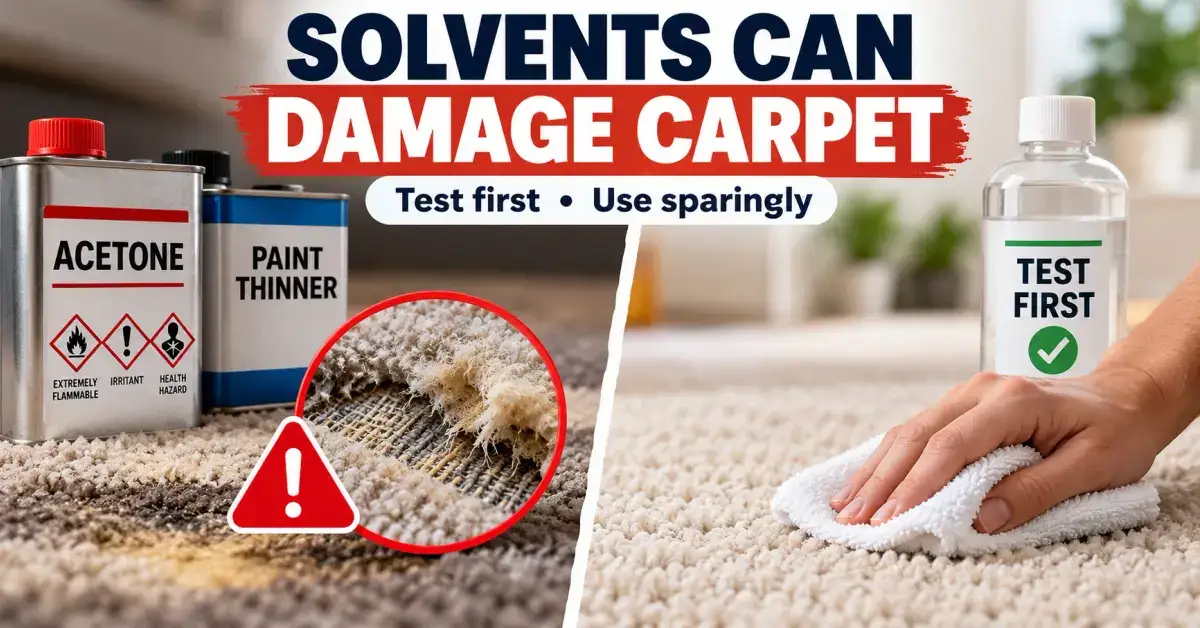
Use extreme caution, because acetone can permanently damage synthetic carpet. Plenty of guides recommend acetone casually. What they leave out is that most carpet backing is held together with latex adhesive, and acetone dissolves it. Acetone can also damage certain synthetic fibers on contact.
If you choose to use acetone on stubborn paint, three rules apply. Use a small amount on a cloth, never poured. Keep it on the paint only. Test it first in a closet corner or under furniture and wait several minutes to check for color loss or texture change.
The same testing rule applies to hydrogen peroxide. Even Home Depot's own paint removal guide notes that peroxide can bleach color out of carpet fiber, which is why spot-testing is mandatory before it touches a visible area.
One homeowner treated a small oil paint drip with a heavy pour of acetone. The paint came out. So did the carpet backing adhesive, leaving a wrinkle that needed a repair visit costing more than professional stain removal would have.
How Do You Get Dried Paint Out of Carpet?
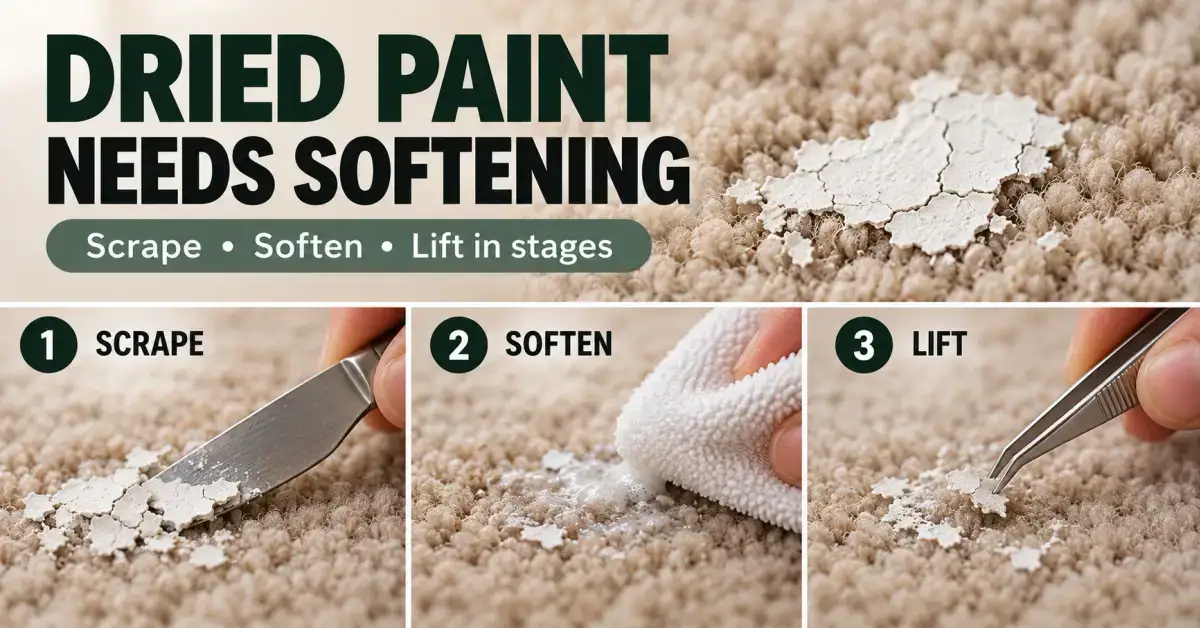
Dried paint comes out by softening it first, then removing it in stages. Attacking hard paint directly just tears fiber.
Start by scraping off raised chunks with a blunt butter knife or pulling them free with needle nose pliers. Vacuum the loose debris. Then soften what remains. For latex and acrylic, lay a cloth soaked in warm soapy water over the spot for several minutes, or hold a garment steamer over it. For dried acrylic, follow the softening with the rubbing alcohol method. For dried oil paint, soften with steam and then work with mineral spirits.
Once softened, pick the paint apart fiber by fiber with tweezers or the knife edge. It is slow, but it works without wrecking the pile.
If a thin crust of paint still clings to just the fiber tips, carefully trimming the very tips with small scissors is a legitimate last resort. A family who found week-old craft paint behind a couch saved the carpet this way, and the trimmed spot was invisible in the pile.
What Mistakes Make a Paint Stain Worse?
Scrubbing is the biggest one. It drives paint down to the base of the fiber and spreads the edges of the stain wider. Blot and dab only.
Oversaturating is a close second, whether with water or solvent. Liquid that reaches the backing and pad creates new problems, from adhesive damage to mildew odor. Hot water on latex or acrylic can also help the binder set instead of release.
Skipping the rinse leaves soap or solvent residue in the pile, and that residue collects soil for months. And mixing cleaners is never worth it. Alcohol, peroxide, and solvents each work alone, not stacked on the same wet spot.
Why Acting Fast on Paint Spills Actually Matters
Wet paint is a cleanup job. Dried paint is a restoration project. The gap between the two is measured in minutes for thin spills.
The Carpet and Rug Institute advises blotting rather than rubbing and pretesting any cleaning agent in a hidden area before it touches a visible stain, guidance that applies directly to every paint method in this guide. The IICRC S100 cleaning standard classifies oil and solvent-type stains among those needing solvent spotters and trained handling, which is why deep oil paint stains resist household products.
The EPA notes that oil-based paints and paint solvents release volatile organic compounds indoors, so ventilation matters during cleanup, not just during painting. And manufacturer warranty documents from brands like Shaw and Mohawk generally exclude paint from stain coverage, while improper chemical use can put remaining coverage at risk. Fast, correct treatment is the whole game.
Common Questions About Paint Stain Removal, Answered
Does baking soda get paint out of carpet?
+
No, baking soda cannot break down paint binders. It absorbs odors and moisture, but it will not lift latex, acrylic, or oil paint. Use the cleaner matched to your paint type instead.
How do you get primer out of carpet?
+
Treat primer by its base, just like paint. Water-based primer responds to the dish soap method, while shellac or oil primer needs the solvent approach. Act fast, since primer is designed to grip surfaces.
How do you get tempera or washable kids paint out of carpet?
+
Tempera and washable paints release with cold water and a little dish soap. Blot repeatedly and rinse, and most of these stains vanish completely. They are the most forgiving paints on this list.
How do you get fabric or puffy paint out of carpet?
+
Scrape off the raised paint after it dries slightly, then blot with warm soapy water. Puffy paint that fully cures may need alcohol and fiber-by-fiber picking. Avoid smearing it while wet, since it spreads easily.
How do you get face paint out of carpet?
+
Face paint is oil and wax based, so blot with dish soap solution first. If color remains, a small amount of rubbing alcohol on a cloth usually lifts the rest. Rinse and blot dry.
How do you get paint out of white carpet?
+
Use the same method for your paint type, but be extra careful with anything stronger than soap. Peroxide and alcohol are lower risk on white carpet since bleaching is less visible, but residue still needs a full rinse. Repeat gentle passes beat one aggressive one.
How do you get paint out of a wool rug or carpet?
+
Wool needs gentle, near-neutral cleaners and cool water only. Skip acetone, strong solvents, and hot water, which can damage or shrink wool fiber. For anything beyond a small fresh spill, wool is worth a professional call.
Will a carpet cleaning machine remove paint on its own?
+
No, a machine alone will not remove paint. Machines help extract loosened paint and cleaning residue after you have treated the stain correctly. Running one over untreated paint mostly spreads it.
How do you get red or black paint out of carpet?
+
Follow the method for the paint type, but expect extra passes since heavy pigments show every trace. Red and black pigments also make spot-testing more important, because aggressive chemicals can leave a light halo. Stop and call a pro if a shadow remains.
When should you call a professional for a paint stain?
+
Call a professional when the spill is large, has soaked to the backing, sits on wool, or survives two full treatment rounds. Pros carry solvent spotters and extraction equipment that household products cannot match. Waiting longer only lowers the odds.
The single most useful habit is keeping a paint identification mindset before you clean, because the cleaner that saves one carpet ruins another. Match the method to the paint, test anything strong in a hidden spot, and knowing how to get paint out of carpet becomes a calm process instead of a panic.
Need a carpet cleaning company you can trust? We handle residential and commercial carpet cleaning, rug cleaning, upholstery cleaning, and pet stain and odor removal —our team is ready to help.

Michael Sanders
Michael Sanders is a home care and cleaning industry writer covering carpet maintenance, flooring care, and household cleaning practices across the United States. His work focuses on practical, research-backed guidance — from stain and odor removal to deep extraction methods and indoor allergen prevention. Michael collaborates with cleaning professionals to ensure accuracy, and his writing reflects a genuine interest in helping homeowners make informed decisions about caring for their homes.